Broccoli Sprouts and Cancer: The Science of Sulforaphane
Broccoli Sprouts and Cancer: The Complete Science of Sulforaphane
If you add only one food to your anticancer nutrition plan, the research points strongly to one answer: broccoli sprouts. These tiny, unassuming seedlings — available at most grocery stores or easy to grow at home — contain concentrations of the most well-studied anticancer phytochemical on Earth.
That compound is sulforaphane (SFN) — an isothiocyanate derived from cruciferous vegetables that has now been investigated in over 3,000 published studies. And unlike many "superfoods" hyped on social media, sulforaphane's mechanisms are deeply understood at the molecular level, spanning cancer prevention, cancer stem cell targeting, chemotherapy enhancement, radiation sensitization, and immunotherapy support.
This research blog compiles everything the current science tells us about broccoli sprouts and cancer — including how sulforaphane works, how to maximize the amount you produce and absorb, and how it interacts with conventional cancer treatments.
|
✅Together — We Prevail Over Cancer!™👊 This blog is part of the Prevail Over Cancer educational platform. For personalized cancer coaching, visit our Cancer Coaching page or explore our POC Academy. |
What Is Sulforaphane — and Why Broccoli Sprouts?
Sulforaphane (SFN) is an isothiocyanate phytochemical produced when the enzyme myrosinase acts on a precursor compound called glucoraphanin (GPN). This activation occurs the moment broccoli tissue is cut or chewed, exposing glucoraphanin to myrosinase in adjacent plant cells.
Here is the key distinction that makes broccoli sprouts so special:
|
Source |
Glucoraphanin Content |
SFN Bioavailability |
|
Broccoli Sprouts |
1,153 mg/100g |
32–80% (raw) |
|
Mature Broccoli |
44–171 mg/100g |
32–80% (raw) |
|
GR Supplement (no myrosinase) |
Variable |
5–24% (gut-dependent) |
Sources: Sailo et al., Cancers 2024 (PMID: 38254735); Egner et al., Cancer Prev Res 2011 (PMID: 21372038)
How Sulforaphane Fights Cancer: The Key Mechanisms
Sulforaphane is not a single-target compound. It engages cancer at multiple levels simultaneously — a quality that makes it particularly valuable from an integrative oncology standpoint.
1. Nrf2 Pathway Activation
Sulforaphane is one of the most potent known activators of Nrf2 (Nuclear Factor Erythroid 2-Related Factor 2) — the master regulator of your body's antioxidant and detoxification defense system. When activated, Nrf2 triggers the expression of over 50 protective genes that neutralize carcinogens and reactive oxygen species before they damage DNA.
Importantly, sulforaphane also activates Phase 2 detoxification enzymes that flush carcinogens from the body, while simultaneously inhibiting Phase 1 enzymes that convert procarcinogens into their toxic, DNA-damaging forms.
2. Cancer Stem Cell Targeting
One of sulforaphane's most clinically significant properties is its ability to target Cancer Stem Cells (CSCs) — the small population of cells believed to drive tumor initiation, recurrence, and drug resistance. Conventional chemotherapy largely misses CSCs because these cells exist in a quiescent (non-dividing) state.
In breast cancer research, sulforaphane (1–5 µM) decreased the aldehyde dehydrogenase-positive CSC population by 65–80% in human breast cancer cells and reduced primary mammosphere size and number by 8–125-fold by disrupting the Wnt/β-catenin self-renewal pathway. (PMID: 20388854)
3. Epigenetic Reprogramming
Sulforaphane acts as a histone deacetylase (HDAC) inhibitor — one of only a handful of dietary compounds with documented epigenetic activity. By inhibiting HDAC, it reactivates tumor suppressor genes that have been silenced by cancer epigenetic machinery. It also modulates DNA methylation patterns and noncoding RNA expression, essentially reprogramming how cancer-related genes are expressed.
4. Apoptosis Induction and Cell Cycle Arrest
Sulforaphane induces programmed cell death (apoptosis) in cancer cells through both intrinsic (mitochondrial) and extrinsic pathways by altering the Bax/Bcl-2 ratio, activating executioner caspases, and triggering G2/M cell cycle arrest. It upregulates CDK inhibitors p21 and p27, preventing cancer cells from dividing.
5. Anti-Metastatic Effects
By inhibiting the Epithelial-Mesenchymal Transition (EMT) — the process by which cancer cells acquire the ability to migrate and invade — sulforaphane reduces cancer cell migration and metastatic potential across multiple cancer types, including lung, breast, and colorectal cancer.
6. Tumor Microenvironment Normalization
Sulforaphane downregulates pro-inflammatory NF-κB signaling, repolarizes tumor-associated macrophages from the immunosuppressive M2 phenotype toward the antitumoral M1 state, and reduces myeloid-derived suppressor cell (MDSC) activity — collectively making the tumor environment less hospitable for cancer growth.
Research Highlight — "Green Chemoprevention" Researchers coined the term "green chemoprevention" to describe sulforaphane's potential as an affordable, plant-based chemoprevention strategy. Studies suggest that 3–5 servings of cruciferous vegetables per week may reduce overall cancer risk by over 30%. (PMID: 34638282) |
How to Maximize Sulforaphane Production and Absorption
The difference between getting minimal and maximal sulforaphane from broccoli sprouts is dramatic — and entirely within your control. Here is what the peer-reviewed evidence tells us.
The Core Rule: Protect Myrosinase
Everything starts with one principle: myrosinase is the enzyme that converts glucoraphanin into active sulforaphane. Heat above 60–70°C destroys it. Protecting or replacing myrosinase is the single most impactful step you can take to maximize sulforaphane production.
Strategy 1: Eat Sprouts Raw
Raw broccoli sprouts with intact myrosinase yield 32–80% sulforaphane recovery — compared with only 10–12% from cooked forms. Chewing thoroughly is essential because it physically breaks down plant cells and maximizes glucoraphanin-to-myrosinase contact. (PMID: 25522265)
Strategy 2: Harvest at Peak Age (4–5 Days)
Sulforaphane content peaks in 5-day-old broccoli sprouts at 233.80 µg/g dry weight, while antioxidant activity peaks at day 3. For maximum sulforaphane, harvest or purchase sprouts at 4–5 days old. (PMID: 28242918)
Strategy 3: Add Mustard Seed Powder
This is one of the most clinically validated hacks for bioavailability in the literature. Mustard seed contains a heat-stable isoform of myrosinase that survives cooking. In a randomized crossover trial, adding just 1 g of powdered brown mustard to cooked broccoli increased sulforaphane bioavailability by more than 4-fold compared with cooked broccoli alone. (PMID: 29806738)
A 2026 randomized clinical study confirmed that exogenous myrosinase from mustard seed powder doubled sulforaphane bioavailability (39.8% vs. 18.6%) from a glucoraphanin-rich broccoli extract. (Scientific Reports, 2026)
Strategy 4: Combine Fresh Sprouts with a Glucoraphanin Supplement
Fresh sprouts (which contain active myrosinase) can "rescue" myrosinase-deficient supplements. When combined, 24-hour urinary sulforaphane recovery was 65% from the combination vs. 60% from sprouts alone vs. only 24% from GR powder alone. (PMID: 21910945)
Strategy 5: Use Split Dosing
Sulforaphane has a short plasma half-life of approximately 1.7–2 hours. Splitting your daily intake into two doses 12 hours apart prolongs systemic exposure compared to a single large dose. (PMID: 25522265)
Strategy 6: Support Your Gut Microbiome
When plant myrosinase is absent or inactivated (as with cooked broccoli or most supplements), gut bacteria can carry out the conversion, but recovery varies widely (5–24%). A healthier, more diverse microbiome improves this backup conversion capacity.
|
Strategy |
Benefit |
|
Eat raw |
32–80% sulforaphane recovery (vs. 10–12% cooked) |
|
Chew thoroughly |
Maximizes glucoraphanin + myrosinase contact |
|
4–5 day old sprouts |
Peak glucoraphanin content |
|
Add mustard seed powder |
4x boost to cooked brassicas; doubles GR supplement absorption |
|
Combine sprouts + GR supplement |
Synergistic: 65% vs. 24% from supplement alone |
|
Split dosing (2x/day) |
Prolongs systemic exposure |
|
Support gut microbiome |
Improves backup conversion pathway |

Check out the FREE 20-minute Empowered Cancer Workshop.
There's one starting in a few minutes.
Sulforaphane and Chemotherapy: Sensitizer, Synergist, and Protector
For patients currently undergoing chemotherapy, this is where the sulforaphane research gets most clinically relevant. Sulforaphane acts on multiple fronts: it makes chemotherapy drugs more effective against cancer cells, helps overcome drug resistance, and may reduce toxicity to healthy tissue.
Chemosensitization
Sulforaphane has been shown to enhance the efficacy of numerous chemotherapy drugs by modulating the signaling pathways cancer cells use to evade treatment — including Akt/mTOR, NF-κB, and Wnt/β-catenin. Documented synergistic combinations include:
- Cisplatin — enhanced ovarian cancer cell death; improved intracellular cisplatin accumulation by disrupting DNA repair
- Paclitaxel — amplified apoptotic pathway activation in prostate cancer models; potential for dose reduction while maintaining efficacy (Frontiers in Immunology, 2025)
- Gemcitabine — enhanced effectiveness in intrahepatic cholangiocarcinoma by inhibiting HDAC and restoring pro-apoptotic gene expression
- 5-Fluorouracil (5-FU) — combination is more effective at inducing apoptosis than 5-FU alone; arrests colon cancer cell cycle at S-phase (PMID: 37397365)
- Doxorubicin — reduced DNA damage markers in healthy blood cells by 30–44%; synergistic activity in TNBC models
- Sunitinib (RCC) — suppressed resistance in renal cell carcinoma; combination outperformed sunitinib alone (PMID: 37845702)
Overcoming Drug Resistance
Drug resistance is one of the most significant obstacles in cancer treatment. Sulforaphane addresses multiple resistance mechanisms simultaneously: reducing ABC transporter efflux pump activity, restoring sensitivity in EMT-resistant cells, blocking survival signaling in stem-like resistant populations, and inhibiting anti-apoptotic proteins (Bcl-2, survivin). In lung cancer cell lines harboring EGFR mutations, sulforaphane restored sensitivity to gefitinib by suppressing PI3K/Akt and EGFR-ERK signaling. (PMID: 38254735)
Protecting Healthy Cells
In healthy (non-transformed) cells, sulforaphane activates Nrf2, increasing antioxidant capacity and potentially reducing genotoxic damage caused by chemotherapeutic agents in normal tissue. Research shows that sulforaphane reduced the frequency of micronuclei (a marker of DNA damage) by 30–44% in healthy blood cells exposed to doxorubicin. (ScienceDirect, 2013)
|
Clinical Note for Practitioners Timing and dose of sulforaphane relative to chemotherapy administration may influence outcomes. Nrf2 overexpression has been linked to resistance in some contexts (Xu et al.). Discuss sulforaphane use with the oncology team before and during treatment. This content is educational, not prescriptive. |
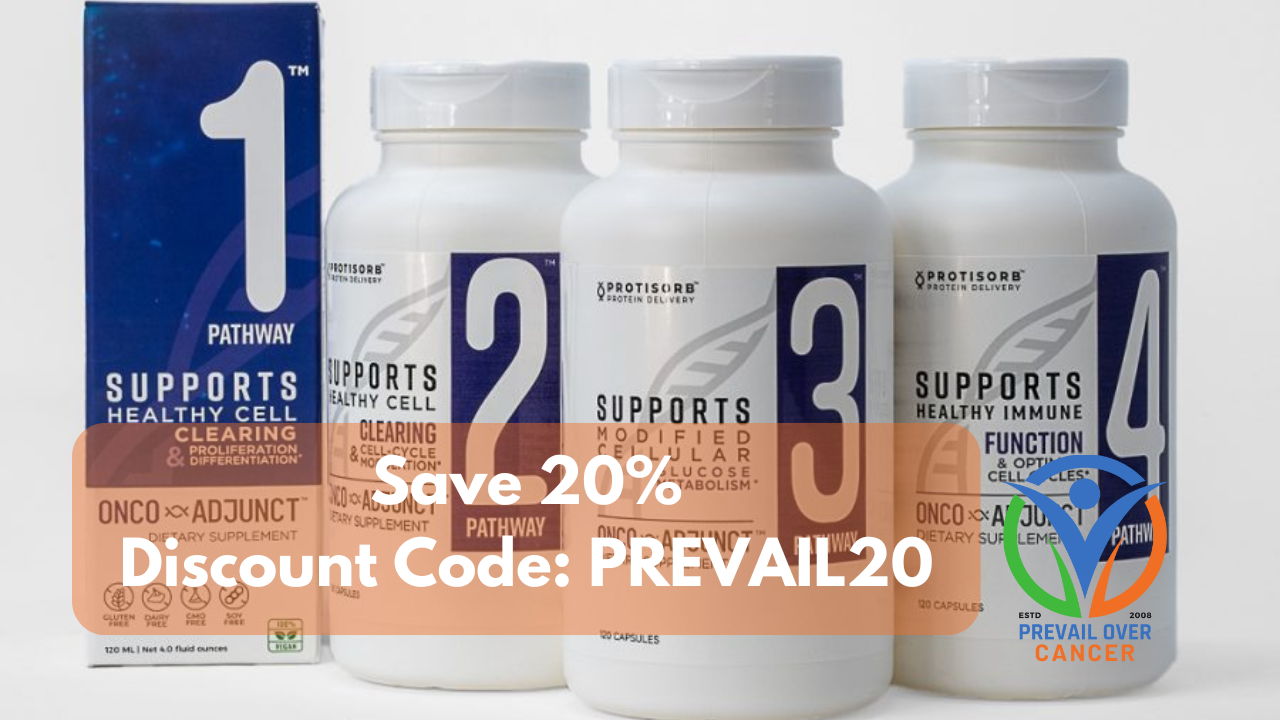
Learn about ProtiSorb™ enhanced polyphenol absorption.
Sulforaphane and Radiation Therapy: Dual-Action Protection
Sulforaphane plays a remarkable dual role in the context of radiation — sensitizing tumor cells to radiation damage while simultaneously protecting healthy tissue from radiation-induced injury.
Radiosensitization of Tumor Cells
Research published in the International Journal of Cancer (2009) demonstrated that sulforaphane pretreatment significantly enhanced the radiosensitivity of HeLa cervical cancer cells by inhibiting DNA double-strand break (DSB) repair. Specifically, it delayed the formation and disappearance of Rad51 foci — a key protein for homologous recombination DNA repair — and dephosphorylated DNA-PKcs, a critical non-homologous end joining protein. The combined treatment with radiation and sulforaphane showed effective inhibition of tumor growth in xenograft (tumors inserted into laboratory animals) models. (PMID: 19452523)
In head and neck squamous cell carcinoma, sulforaphane demonstrated antiproliferative and radiosensitizing properties — a combination of radiation and SFN decreased clonogenic survival across four cancer cell lines. (PMID: 21858418)
For pancreatic cancer — historically one of the most radiation-resistant malignancies — sulforaphane combined with radiation exerted more distinct DNA damage and growth inhibition than either treatment alone, inducing supra-additive G2/M cell cycle arrest. (PMID: 28700650)
Protection of Normal Tissue from Radiation Damage
In healthy cells, the story reverses. Repeated sulforaphane treatment increased radioresistance in primary human skin fibroblasts through Nrf2-mediated mRNA induction and free radical reduction. (PMID: 24603300)
In human lymphocytes accidentally exposed to mixed γ- and β-radiation, post-irradiation addition of sulforaphane reduced micronucleus frequency by up to 70%. It also reduced genotoxic damage from bleomycin and doxorubicin, restored normal HDAC activity in irradiated lymphocytes, and enhanced CD34+Lin− (stem) cell populations. (ScienceDirect, 2013)
|
In Tumor Cells |
In Healthy Cells |
|
Inhibits DNA double-strand break repair |
Activates Nrf2 → increases antioxidant capacity |
|
Delays Rad51 and DNA-PKcs function |
Reduces radiation-induced free radicals |
|
Decreases clonogenic survival |
Reduces micronuclei by up to 70% |
|
Radiosensitizes: H&N, pancreatic, cervical, osteosarcoma |
Supports late radiation injury management |
Sulforaphane and Immunotherapy: Checkpoint Modulation and Immune Activation
As immunotherapy becomes a cornerstone of modern oncology, the question of how nutrition interacts with these treatments has become increasingly important. Sulforaphane's relationship with the immune system is multifaceted — and has produced some of the most exciting recent findings in integrative oncology.
PD-L1 Downregulation — Checkpoint Modulation
PD-L1 is the immune checkpoint protein that cancer cells use to hide from T cells. Sulforaphane has been shown to significantly downregulate PD-L1 expression on tumor cells through multiple mechanisms, including direct covalent modification of cysteine residues in STAT1 and inhibition of IFN-γ- induced PD-L1 expression. This checkpoint modulation creates permissive conditions for T cell-mediated tumor elimination. (Frontiers in Immunology, 2025)
In vivo evidence confirms that sulforaphane increases β-TrCP — an E3 ubiquitin ligase that promotes PD-L1 degradation via the 26S proteasome. These findings provide a strong rationale for combining sulforaphane with immune checkpoint inhibitors. (Clinical Reviews in Allergy & Immunology, 2025)
CAR-T Cell Enhancement
In a landmark 2021 study published in BMC Medicine, sulforaphane improved CAR-T cell cytotoxicity against solid tumors by downregulating PD-1 expression in CAR-T cells (via PI3K/AKT inhibition) while simultaneously promoting PD-L1 degradation in tumor cells. In clinical data, patients who received CAR-T therapy and oral sulforaphane had lower PD-1 expression and higher levels of proinflammatory cytokines (IFN-γ and IL-2) compared to controls. (PMID: 34819055)
Macrophage Repolarization
Tumor-associated macrophages (TAMs) are frequently reprogrammed by the tumor into an immunosuppressive M2 phenotype. Sulforaphane promotes their repolarization from M2 to antitumoral M1 by inhibiting the transcription factor c-Myc (which drives M2 polarization) and activating Nrf2-mediated expression of M1-associated genes. (Frontiers in Immunology, 2025)
NK Cell Activation via cGAS-STING
Published in Leukemia (2025), sulforaphane was shown to act as a potent immunomodulator in classical Hodgkin lymphoma by inducing NK cell-associated antitumor responses, in part through STING-dependent mechanisms—activating the innate immune cGAS-STING pathway that signals immune cells to attack tumor cells. This opens the door for combining sulforaphane with other STING agonist-based immunotherapy strategies.
The Critical Nuance: A Potential Double-Edged Sword
|
Important Clinical Consideration Not all sulforaphane-immune interactions are beneficial in a treatment context. Research has shown that in primary human T cells, sulforaphane acts pro-oxidatively — increasing intracellular ROS and decreasing glutathione, potentially inhibiting T cell activation and effector functions. This could theoretically interfere with checkpoint inhibitors (e.g., PD-1/PD-L1 antibodies) or CAR-T cell therapy. (ScienceDirect, 2018) This does not mean sulforaphane should be avoided with immunotherapy — the PD-L1 downregulation and CAR-T enhancement data suggest net benefit in many contexts. But it does mean that dose, timing, and individualized consideration are essential. Always discuss with your oncology team. |
Sulforaphane and Cancer Treatment: Summary of Evidence
|
Treatment |
SFN's Role |
Key Mechanism |
|
Chemotherapy |
Sensitizer + resistance reverser + normal-cell protection |
NF-κB, Akt/mTOR suppression; HDAC inhibition; Nrf2 activation |
|
Radiation |
Radiosensitizes tumors; protects normal tissue |
Inhibits DSB repair (Rad51, DNA-PKcs); Nrf2 in healthy cells |
|
Immunotherapy (ICI) |
PD-L1 downregulation; T cell checkpoint relief |
STAT1 modification; β-TrCP-mediated PD-L1 degradation |
|
CAR-T Cell Therapy |
Enhances CAR-T cytotoxicity in solid tumors |
PD-1 downregulation in T cells via PI3K/AKT inhibition |
|
General Immune Support |
M2→M1 macrophage repolarization; NK cell activation |
c-Myc inhibition; cGAS-STING pathway activation |
The Practical Guide: Getting Sulforaphane Into Your Daily Routine
All the science in the world doesn't matter if it doesn't translate into daily action. Here is a practical protocol based on the available evidence:
- Eat 1–2 servings of raw broccoli sprouts daily — 40–80g, raw, eaten as-is, in a salad, or blended into a smoothie
- Choose 4–5 day-old sprouts — for peak sulforaphane content; grow your own using a sprouting jar for maximum freshness and economy
- Chew thoroughly or blend — maximize myrosinase activation before swallowing
- Add mustard seed powder — sprinkle 1g on cooked brassicas to restore sulforaphane production; consider adding to smoothies with sprouts for a synergistic boost
- Split your intake — half in the morning, half in the evening to maintain blood levels across the day
- Pair with a diverse, fiber-rich diet — to support the gut microbiome's backup conversion role
- If using a supplement, choose one that contains both sulforaphane (not just glucoraphanin) and active myrosinase, or combine a GR-rich supplement with fresh sprouts
- Discuss with your oncology team — especially if undergoing active chemotherapy, radiation, or immunotherapy, as timing and dose context matter
Conclusion: The Case for Broccoli Sprouts in Integrative Cancer Care
The science behind broccoli sprouts and cancer is no longer emerging — it is established, mechanistically understood, and growing with each passing year. Sulforaphane activates your body's own defense systems (Nrf2), targets the cancer cells most likely to cause relapse (CSCs), epigenetically reprograms gene expression, sensitizes cancer cells to both chemotherapy and radiation, and remodels the immune environment toward greater antitumor activity.
More remarkably, it does all of this while protecting normal, healthy tissue — the very challenge that makes conventional oncology so difficult.
The practical prescription is simple and accessible: raw broccoli sprouts, eaten consistently, optimized for bioavailability. This is not alternative medicine. This is evidence-based nutrition that complements — not replaces — your conventional cancer care plan.
Assess — Don't Guess! | Together — We Prevail Over Cancer!™ 👊
Ready to Take Your Cancer Nutrition to the Next Level?Keith Bishop is a Clinical Nutritionist, Cancer Coach, Retired Pharmacist, and Integrative Oncology Educator, and the Founder of Prevail Over Cancer. ▶ Learning Center: prevailovercancer.com/learning-center ▶ POC Academy: prevailovercancer.com/academy ▶ Cancer Coaching: prevailovercancer.com/coaching ▶ YouTube Podcast: https://www.youtube.com/watch?v=cEGV7i9YFSI&list=PLBC_ThCJPWZvnLxWSIVuvyCMJa0Ce5nya |
⚠️ Educational Disclaimer
This content is for educational and informational purposes only. It is not intended to diagnose, treat, cure, or prevent any disease or medical condition, and does not constitute medical advice. Always consult your physician or qualified healthcare provider regarding any questions you may have about a medical condition, dietary supplements, or changes to your treatment plan. The statements in this blog have not been evaluated by the Food and Drug Administration.
Scientific References
- Sailo BL, et al. Harnessing Sulforaphane Potential as a Chemosensitizing Agent: A Comprehensive Review. Cancers. 2024;16(2):244. https://pubmed.ncbi.nlm.nih.gov/38254735/
- Li Y, Zhang T. Targeting cancer stem cells with sulforaphane, a dietary component from broccoli and broccoli sprouts. Future Oncol. 2013;9(7):1097–103. https://pubmed.ncbi.nlm.nih.gov/23902242/
- Li SH, et al. Sulforaphane, a dietary component of broccoli/broccoli sprouts, inhibits breast cancer stem cells. Clin Cancer Res. 2010;16(9):2580–90. https://pubmed.ncbi.nlm.nih.gov/20388854/
- Clarke JD, et al. Sulforaphane: A Broccoli Bioactive Phytocompound with Cancer Preventive Potential. Cancers. 2021;13(19):4796. https://pubmed.ncbi.nlm.nih.gov/34638282/
- Shapiro TA, et al. Absorption and chemopreventive targets of sulforaphane in humans following consumption of broccoli sprouts or a myrosinase-treated broccoli sprout extract. Mol Nutr Food Res. 2015;59(3):424–33. https://pubmed.ncbi.nlm.nih.gov/25522265/
- Cramer JM, et al. Enhancing sulforaphane absorption and excretion in healthy men through the combined consumption of fresh broccoli sprouts and a glucoraphanin-rich powder. Br J Nutr. 2011;107(2):263–9. https://pubmed.ncbi.nlm.nih.gov/21910945/
- Okunade O, et al. Supplementation of the Diet by Exogenous Myrosinase via Mustard Seeds to Increase the Bioavailability of Sulforaphane in Healthy Human Subjects after the Consumption of Cooked Broccoli. Mol Nutr Food Res. 2018;62(18):e1700980. https://pubmed.ncbi.nlm.nih.gov/29806738/
- Egner PA, et al. Bioavailability of Sulforaphane from two broccoli sprout beverages. Cancer Prev Res. 2011;4(3):384–95. https://pubmed.ncbi.nlm.nih.gov/21372038/
- Fahey JW, et al. Bioavailability and inter-conversion of sulforaphane and erucin in human subjects. Mol Nutr Food Res. 2012;56(11):1665–75. https://pmc.ncbi.nlm.nih.gov/articles/PMC3183106/
- Tang L, et al. Optimisation of enzymatic production of sulforaphane in broccoli sprouts. Food Funct. 2017;8(4):1547–56. https://pubmed.ncbi.nlm.nih.gov/28242918/
- Yu D, et al. Chemopreventive agent sulforaphane enhances radiosensitivity in human tumor cells. Int J Cancer. 2009;125(5):1205–11. https://pubmed.ncbi.nlm.nih.gov/19452523/
- Kotowski U, et al. Radiosensitization of head and neck cancer cells by the phytochemical agent sulforaphane. Strahlenther Onkol. 2011;187(9):575–80. https://pubmed.ncbi.nlm.nih.gov/21858418/
- Naumann P, et al. Sulforaphane enhances irradiation effects in terms of perturbed cell cycle progression and increased DNA damage in pancreatic cancer cells. PLoS One. 2017;12(7):e0180940. https://pubmed.ncbi.nlm.nih.gov/28700650/
- Mathew ST, et al. Repeated Nrf2 stimulation using sulforaphane protects fibroblasts from ionizing radiation. Toxicol Appl Pharmacol. 2014;276(3):188–94. https://pubmed.ncbi.nlm.nih.gov/24603300/
- Shen CY, et al. Sulforaphane enhances the antitumor response of chimeric antigen receptor T cells by regulating PD-1/PD-L1 pathway. BMC Med. 2021;19(1):283. https://pubmed.ncbi.nlm.nih.gov/34819055/
- Frontiers in Immunology. Sulforaphane in cancer precision medicine: from biosynthetic origins to multiscale mechanisms and clinical translation. 2025. https://www.frontiersin.org/journals/immunology/articles/10.3389/fimmu.2025.1702860/full
- Leukemia. Sulforaphane promotes natural killer cell-mediated anti-tumor immune responses partially via cGAS-STING pathway in classical Hodgkin lymphoma. 2025. https://www.nature.com/articles/s41375-025-02627-1
- Scientific Reports. Exogenous myrosinase from mustard seed increases bioavailability of sulforaphane from a glucoraphanin-rich broccoli seed extract. 2026. https://www.nature.com/articles/s41598-026-39389-4
- Sailo BL, et al. Anticancer properties of sulforaphane: current insights at the molecular level. Front Oncol. 2023. https://pubmed.ncbi.nlm.nih.gov/37397365/
Author
Keith Bishop
Clinical Nutritionist, Cancer Coach, Retired Pharmacist, Author
Keith Bishop founded Prevail Over Cancer and is a passionate advocate for cancer awareness and research. With a background in pharmacy and clinical nutrition I’m dedicated to providing insightful and empowering information to help clients, survivors, and caregivers navigate their journey. From personal experiences and a commitment to holistic health, Keith aims to inspire and support the cancer community through comprehensive and accessible content.
Join over 8,000 subscribers!
Get access to Keith's Prevail Over Cancer Newsletter with news, blogs, and updates!
Recent Posts
Blog Post Topics
All Categories- microbiome modulation in oncology
25 hydroxyvitamin d cancer prevention
active hexose correlated compound
akkermansia and chemotherapy synergy
akkermansia and gastric cancer
akkermansia and radiation therapy
akkermansia muciniphila and cancer