Short-Term Fasting During Cancer Treatments

Researched and Written by Keith Bishop, Clinical Nutritionist, Cancer Coach, Retired Pharmacist, and founder of Prevail Over Cancer and the Prevail Protocol
Why Should We Consider Short-Term Fasting During Chemotherapy Treatments?
Short-term fasting (STF) has shown promise in enhancing the efficacy of cancer treatments while protecting healthy cells from toxicity. Studies suggest that STF can slow tumor growth and improve the quality of life for cancer patients.
Short-term fasting (STF) has shown promising effects on cancer cells in the human body, according to several medical journal references. Here are some key findings:
- Differential Stress Resistance (DSR): STF protects healthy cells from the toxic effects of chemotherapy while making cancer cells more vulnerable to treatment. This is because healthy cells can enter a maintenance and repair mode during fasting, while cancer cells, which rely heavily on glucose, struggle to adapt.
- Enhanced Chemotherapy Efficacy: Preclinical studies have shown that STF can enhance the efficacy of various chemotherapeutic agents in treating breast cancer, melanoma, neuroblastoma, pancreatic cancer, and colorectal cancer.
- Improved Resilience: Animal studies have shown that fasting improves recovery after radiation treatment.
- Improved Quality of Life: A pilot study of breast and ovarian cancer patients found that STF during chemotherapy is well tolerated and appears to improve quality of life and reduce chemotherapy-induced fatigue.
- Metabolic and Cellular Changes: STF induces significant changes in metabolic pathways and cellular processes, such as the stress response, autophagy, and reduced insulin-like growth factor 1 (IGF-1), which can contribute to reduced tumor growth and enhanced apoptosis (programmed cell death).
Learn How to Select a Quality Dietary Supplement
Based on medical journal references, short-term fasting (STF) has shown potential benefits for several types of cancer, including:
- Breast Cancer: Studies suggest that STF can enhance the efficacy of chemotherapy and protect healthy cells from its toxic effects.
- Melanoma: Preclinical studies indicate that STF can sensitize melanoma cells to chemotherapy.
- Neuroblastoma: Research has shown that STF can improve the response of neuroblastoma cells to treatment.
- Pancreatic Cancer: STF has been found to enhance the effectiveness of chemotherapy in pancreatic cancer.
- Colorectal Cancer: Studies suggest that STF can reduce tumor growth and improve treatment outcomes.
These are the cancers researched. At the time of publication, other cancers had not been studied. We expect other cancers to respond similarly to STF.
Steps to Prepare for the Fast
- Consult Your Healthcare Team: Always discuss fasting with your healthcare team to ensure safety.
- Gradual Reduction: Ease into fasting by gradually reducing your food intake and physical activity over several days.
- Hydrate: Drink plenty of water to stay hydrated.
- Set Your Intention: Have a clear goal for your fast, whether spiritual, physical, or emotional.
Beverages to Drink During the Short-Term Chemotherapy Fast
It is essential to be hydrated during your fast. Your body will burn fat for energy and release toxins, which are then flushed out with fluids (urine). Most people should consume ½ to 1 ounce per pound of body weight during this fast. For example, a person weighing 160 pounds should drink 80-160 ounces of fluids. More than this quantity is typically not recommended, as it could flush out and dilute needed minerals and electrolytes.
Sweeteners and creamers should not be used, as these will break the fast.
- Water: Essential for hydration.
- Mineral Water: Water with minerals provides electrolytes without breaking the fast.
- Herbal Teas: Provide warmth and comfort without breaking the fast.
- Green Tea and Match: Can help curb hunger and provide a mild energy boost.
- Black Coffee: Can help curb hunger and provide a mild energy boost.
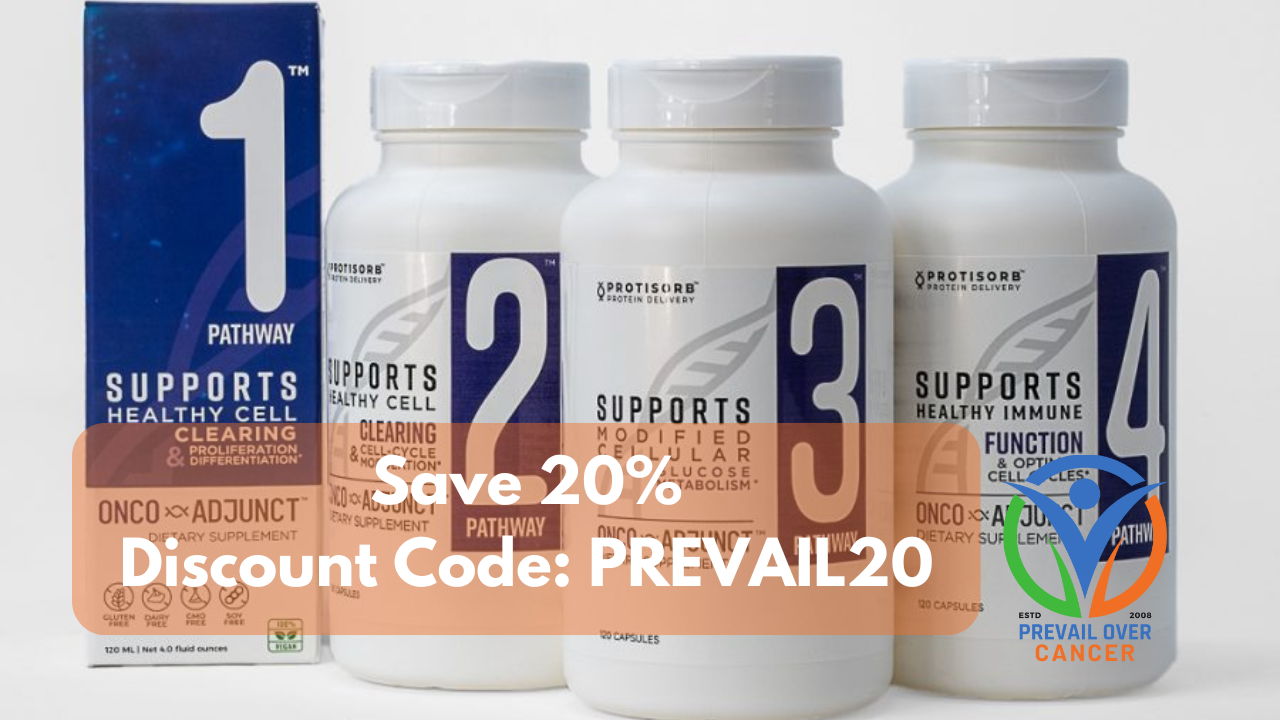
Learn about ProtiSorb™ enhanced polyphenol absorption.
Duration of the Short-Term Chemotherapy Fast
Short-term fasting typically lasts between 24 and 72 hours. However, it's essential to start with shorter durations and gradually increase as your body adapts. The goal is a 72-hour fast.
No Exercise or Major Physical Activity During the Fast
Avoid high-intensity workouts and strenuous activities during the fast to prevent fatigue, dehydration, and muscle and bone loss. Instead, use this time for gentle activities like walking or light stretching.
Use the Extra Time for Prayer and Meditation
Fasting can be a time of spiritual reflection and connection. During this period, you can pray, meditate, or engage in other spiritual practices that bring you peace and strength.
Supplements Safe to Take During the Fast with Chemotherapy and Radiation
- Supplements and herbs as directed by your healthcare team.
- Some supplements and herbs may interact with treatments, enhancing or decreasing the effectiveness of chemotherapy or radiation, or increasing or decreasing drug metabolism (removal of the drug from the body). Consult your healthcare team for evaluation and specific suggestions.
- I’m available to assess and coach you on specific recommendations. Click here to learn about my Cancer Coaching.
- Electrolytes: Maintain electrolyte balance with calcium, magnesium, and potassium supplements.
- Omega-3s: Support overall health and reduce inflammation.
How to Break the Fast
- Start Slow: Begin with small amounts of easily digestible foods like fruits, vegetables, and broth, and gradually add other foods over a few days.
- Avoid Heavy Foods: Initially, avoid high-fat and sugary foods.
- Listen to Your Body: Pay attention to how your body responds and gradually adjust your diet.
Download the FREE Short-Term Fasting During Chemotherapy Guide

Short Term Fasting During Chemotherapy Reference Sources
de Groot, S., Pijl, H., van der Hoeven, J.J.M. et al. Effects of short-term fasting on cancer treatment. J Exp Clin Cancer Res 38, 209 (2019). https://doi.org/10.1186/s13046-019-1189-9
Koppold-Liebscher, D., Kessler, C.S., Steckhan, N. et al. Short-term fasting accompanying chemotherapy as a supportive therapy in gynecological cancer: protocol for a multicenter randomized controlled clinical trial. Trials 21, 854 (2020). https://doi.org/10.1186/s13063-020-04700-9
Menseses do Rêgo, A. C., & Araújo-Filho, I. (2024). Intermittent Fasting on Cancer: An Update. European Journal of Clinical Medicine, 5(5), 22–27. https://doi.org/10.24018/clinicmed.2024.5.5.345
Brandhorst S, Longo VD. Fasting and Caloric Restriction in Cancer Prevention and Treatment. Front Nutr. 2020;7:584543. doi:10.3389/fnut.2020.584543. https://www.frontiersin.org/journals/nutrition/articles/10.3389/fnut.2020.584543/full
Fasting Makes Brain Tumors More Vulnerable to Radiation Therapy. USC News. Published Accessed December 4, 2024. https://today.usc.edu/fasting-makes-brain-tumors-more-vulnerable-to-radiation-therapy/
Cedars-Sinai Medical Center. Fasting as Next Step in Cancer Treatment. Cedars-Sinai News. Published [date]. Accessed December 4, 2024. https://www.cedars-sinai.org/discoveries/fasting-as-next-step-in-cancer-treatment.html
Zorn S, Ehret J, Schäuble R, et al. Impact of short‑term fasting and a fasting‑mimicking diet on chemotherapy‑related toxicity in cancer patients: a randomized cross‑over pilot study (MOFAX). Breast Cancer Res Treat. 2020;183(3):617‑629. doi:10.1007/s10549-020-05803-5. https://doi.org/10.1186/s12885-020-07041-7
Safdie FM, Dorff T, Quinn D, et al. Fasting and differential chemotherapy protection in patients. Aging (Albany NY). 2009;1(12):988‑1007. doi:10.18632/aging.100114. https://www.aging-us.com/article/100114/
Maes J, Durieux V, Liebmann M, et al. Impact of intermittent fasting on patients with cancer undergoing chemotherapy and/or targeted therapies: a systematic review. Support Care Cancer. 2025;33:863. https://link.springer.com/article/10.1007/s00520-025-09907-7#citeas
Author
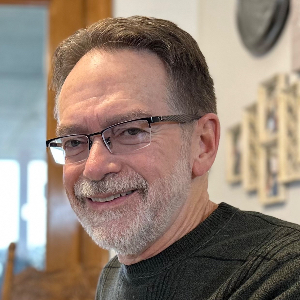
Keith Bishop
Clinical Nutritionist, Cancer Coach, Retired Pharmacist, Author
Keith Bishop founded Prevail Over Cancer and is a passionate advocate for cancer awareness and research. With a background in pharmacy and clinical nutrition I’m dedicated to providing insightful and empowering information to help clients, survivors, and caregivers navigate their journey. From personal experiences and a commitment to holistic health, Keith aims to inspire and support the cancer community through comprehensive and accessible content.
Join over 8,000 subscribers!
Get access to Keith's Prevail Over Cancer Newsletter with news, blogs, and updates!
Recent Posts
Blog Post Topics
All Categories- microbiome modulation in oncology
25 hydroxyvitamin d cancer prevention
active hexose correlated compound
akkermansia and chemotherapy synergy
akkermansia and gastric cancer
akkermansia and radiation therapy
akkermansia muciniphila and cancer