Unlocking the Power of Spore Probiotics for Immune and Cancer Support

Bacillus coagulants, Bacillus subtilis, and Bacillus clausii probiotics have emerged as powerful allies supporting immune function and impacting cancer.
Written by Keith Bishop, Clinical Nutritionist, Author, and Retired Pharmacist
The role of the gut microbiome has taken center stage in the quest for optimal health and disease prevention. Among the myriad beneficial bacteria, spore-forming probiotics such as Bacillus coagulants, Bacillus subtilis, and Bacillus clausii have emerged as powerful allies in supporting immune function and potentially preventing and aiding in treating cancer.
Bacillus Coagulans: A Shield for Immune Health
Bacillus coagulans is a remarkable probiotic known for surviving stomach acid, reaching the gut where it can exert its beneficial effects. Research suggests that Bacillus coagulans can boost the immune system by increasing the production of immune cells and reducing inflammation, a critical factor in the body's defense against pathogens and disease.
...Kancer Keto™ Ketogenic Diet for Cancer

Unlock the Maximum Potential of Your Ketogenic Diet for Cancer
Kancer Keto is developed and written by Keith Bishop, Clinical Nutritionist, Retired Pharmacist, Author
In the journey of cancer management and prevention, your food, lifestyle, and supplements play a pivotal role. The ketogenic diet, known for its moderate protein, low carbohydrate, and higher fat content, has emerged as a beacon of hope. The Kancer Keto Program is beyond a traditional ketogenic diet for cancer: it's about a lifestyle that could hinder cancer's fuel sources.
The Science Behind Ketogenic Diet and Cancer
Cancer cells thrive on glucose.[i] By significantly reducing glucose intake, a ketogenic diet can potentially slow down the growth of cancer cells.[ii] A ketogenic diet's restriction of carbohydrates limits glucose metabolism, essentially starving cancer cells while nourishing healthy cells.
This traditional ketogenic diet for cancer approach, however, comes with its concerns.
Many people eat more ani...
Alpha-Lipoic Acid: An Ally in Cancer Treatment

Alpha Lipoid Acid: Anticancer | Chemotherapy & Radiation Sensitizer | Neuropathy Reduction
Written by Keith Bishop, Clinical Nutritionist, Cancer Coach, Retired Pharmacist
Written: 08/20/2023 Updated 03/25/2024
While conventional treatments like chemotherapy and radiation have been the cornerstone of cancer therapy, researchers are continually exploring ways to enhance their effectiveness and reduce side effects. One promising compound that has emerged in recent scientific discussions is alpha-lipoic acid (ALA). This powerful antioxidant might play a significant role in supporting cancer treatment.
What is Alpha-Lipoic Acid?
Alpha-lipoic acid (ALA aka thioctic acid) is a naturally occurring compound that's vital for cellular energy production. It's unique because it's both water and fat-soluble, allowing it to work in every cell or tissue in the body. Beyond its primary role in energy metabolism, ALA is renowned for its antioxidant properties, helping to neutralize harmful free ...
Hidden Cancer Dangers: Synthetic Folic Acid
Over 20,000 clients. Nearly all with high folate levels. Could synthetic folic acid be silently fueling cancer risk?
Written by Keith Bishop, Clinical Nutritionist, Cancer Coach, Retired Pharmacist
In the quest for optimal health, many turn to supplements, like multiple vitamins with folic acid. But what if the very supplement you’re taking for better health could have hidden cancer concerns?
I review blood tests each day in my clinical nutrition appointments. Since 1999 I have seen fewer than six people with a folate level in the normal range and only one person with a low folate level. That means I’ve seen over 20,000 people with high blood levels of folate. Could this be part of the reason why we have such high rates of cancer?
The Cancer Concerns Around Synthetic Folic Acid
Folate is the natural, bioactive form found in foods. Folic acid is synthetic—and may behave very differently in the body.
Synthetic folic acid is the man-made version of the vitamin folate, a crucial n...
Beta-Glucans and Cancer
Unlocking the Power of Beta-Glucan in the Fight Against Cancer
Updated 09/14/2025
Researched and Written by Keith Bishop, Clinical Nutritionist, Cancer Coach, Retired Pharmacist and founder of Prevail Over Cancer
In the journey to Prevail Over Cancer, understanding the role of nutrition and natural compounds can be a game-changer in enhancing treatment outcomes and overall well-being. Among these, beta-glucan stands out for its remarkable health benefits, particularly in supporting individuals battling cancer.
What is Beta-Glucan?
Beta-glucan is a naturally occurring polysaccharide found in the cell walls of cereals, bacteria, and fungi, with oats and barley being rich sources. Known for its immune-enhancing properties, beta-glucan has captured the attention of both the scientific community and those seeking to support their health naturally.
A Beacon of Hope for Cancer Patients
Research has illuminated the potential of beta-glucan as a powerful ally in the fight against cancer. Her...
Can Green Tea Help Fight Cancer? Evidence‑Backed Insights

Unveiling the Power of Green Tea, Matcha, and EGCG: A Natural Ally in Cancer Prevention and Treatment
Written by Keith Bishop, Clinical Nutritionist, Cancer Coach, Retired Pharmacist, and Founder of Prevail Over Cancer.
In my ongoing quest to empower our community with knowledge and tools to prevail over cancer, I turn my focus to one of nature's most potent gifts: green tea. Revered for centuries for its healing properties, green tea has emerged as a beacon of hope in cancer prevention. Join me as I delve into the science behind green tea's anticancer benefits and explore how integrating this miraculous beverage into our daily routine can fortify our defenses against this formidable adversary.
Green Tea: The Cancer Antioxidant Powerhouse
At the heart of green tea's anticancer prowess lies its rich concentration of antioxidants, particularly catechins. Epigallocatechin-3-gallate (EGCG), the most abundant and powerful catechin in green tea, has been extensively studied for its a...
L-Glutamine and Cancer
Protein L-Glutamine and Cancer
Step 1 - Limit L-Glutamine added to protein powders.
There are 3 major food groups our body must have: protein, carbohydrates, and fats. Proteins provide amino acids including L-glutamine that are used for many functions in our body including brain chemicals, energy production, and organ repair. L-glutamine plays an important role in energy, cancer cell growth and progression. Limiting L-glutamine sources can often help slow cancer cell growth.
L-glutamine is one of the amino acids that our body can make from other amino acids. Since this is the case the first step in decreasing L-glutamine use by cancer cells is limiting protein powders that have L-glutamine listed as an ingredient. So, if you’re using protein powders check your labels and change sources if needed.
Learn How to Select a Quality Dietary Supplement
Step 2 Intermittent Fasting
🍽️Intermittent Fasting
L-Glutamine
L-glutamine is an amino acid derived from proteins in our diet. We ...
Berberine – Several Cancer Impacts

Berberine has gained scientific research attention for its impact on gut health, blood glucose, and controlling cancer cell growth.
Written by Keith Bishop, Clinical Nutritionist, Cancer Coach, Retired Pharmacist, Founder of Prevail Over Cancer www.PrevalOverCancer.com
Berberine is a natural compound found in several plants in the Berberis family, including goldenseal, barberry, and Oregon grape. It has been used in oriental, Indian Ayurvedic, and Middle Eastern medicine for centuries for numerous conditions including diarrhea, infections, and inflammation.[i]
Rarely do I come across an herbal supplement that has so many valuable effects on the body.
Berberine: Gut Health
Berberine is a commonly used intestinal anti-inflammatory herb. Berberine reduces inflammation and toxins in the intestines while restoring the beneficial bacteria balance in people consuming an unhealthy fat diet.[ii] Research shows berberine helps normalize diarrheal bowel movements in children and adults.[iii]...
Lectins and Cancer - You will be surprised!
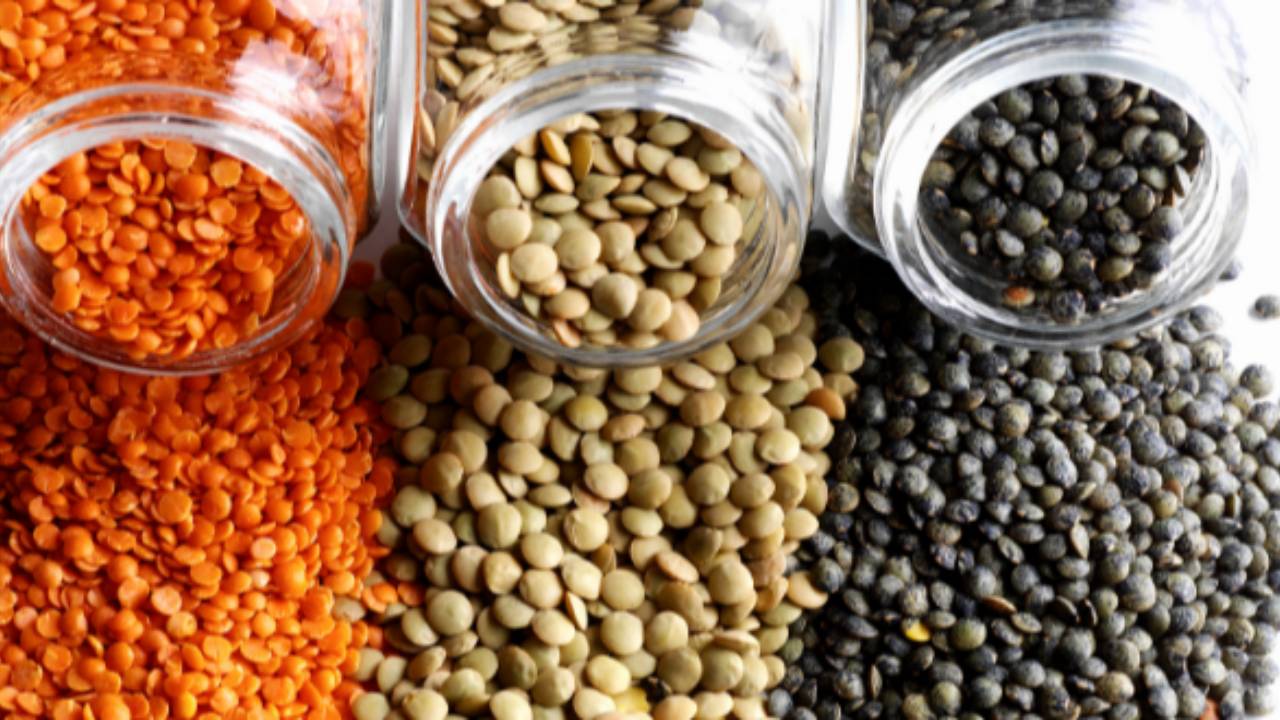
Plant lectin impacts on cancer cells, risks, and treatments.
Written by Keith Bishop, Clinical Nutritionist, Clinical Nutritionist, Retired Pharmacist, Founder of Prevail Over Cancer
What are Lectins?
Lectins are a type of protein found in many plant-based foods such as fruits, vegetables, and whole grains. According to a 2015 review out of China published in the Cell Proliferation, plant lectins can modify the expression of specific immune cells and alter signaling pathways to help kill off cancer cells and block tumor growth.[a]
How Lectins Interact with Cancer Cells
Interestingly, some lectins are used to detect and diagnose cancer cells. Lectins manifest diverse activities, including inhibiting virus, and antitumor, antifungal, and anti-insect activities. Others are used for therapeutic purposes because of their anti-tumor activity and ability to trigger cancer cell death.[b]
Plant lectins attach to cancer cells and induce their cell death through autophagy (the body break...
3 Safest (and a couple of the most dangerous) Dark Chocolate Bars – Heavy Metals

Consumer Reports published a list of the safest and most dangerous dark chocolate bars containing the heavy metals lead and cadmium.
Lead and cadmium are metals found in soils, so cacao beans naturally take up these toxins. But most of the lead issue seems to occur after harvesting while the beans are drying in the open air or during the manufacturing process.
A quick check of medical journals found high cadmium and lead exposure and levels increase the risk of lung, kidney, breast, prostate, colon, pancreas cancers.
A low zinc level increases the risk of dying from higher cadmium levels. [i] It seems zinc helps balance the cancer risks for several toxic metals including cadmium. If you can’t get a blood test for zinc, ask your local compounding pharmacy for a zinc taste test. An example is https://flourishrx.com/test-kit-products/zinc-taste-test?rq=zinc
Even better consider the ZRT Comprehensive Toxic & Essential Elements Profile. The following is part of the results of a test...
Author

Keith Bishop
Clinical Nutritionist, Cancer Coach, Retired Pharmacist, Author
Keith Bishop founded Prevail Over Cancer and is a passionate advocate for cancer awareness and research. With a background in pharmacy and clinical nutrition I’m dedicated to providing insightful and empowering information to help clients, survivors, and caregivers navigate their journey. From personal experiences and a commitment to holistic health, Keith aims to inspire and support the cancer community through comprehensive and accessible content.
Join over 8,000 subscribers!
Get access to Keith's Prevail Over Cancer Newsletter with news, blogs, and updates!
Recent Posts
Blog Post Topics
All Categories- microbiome modulation in oncology
25 hydroxyvitamin d cancer prevention
active hexose correlated compound
akkermansia and chemotherapy synergy
akkermansia and gastric cancer
akkermansia and radiation therapy
akkermansia muciniphila and cancer